The Invisible Lens: How Thai Optical Manufacturing Is Quietly Transforming American Healthcare
When a surgeon peers through a laparoscopic camera to navigate a minimally invasive procedure, or when a radiologist examines a high-resolution scan for early signs of disease, the quality of that visual information can be the difference between a correct diagnosis and a missed one. What most medical professionals and virtually all patients do not realize is that the optical components enabling those critical moments are, in many cases, manufactured in Thailand.
Thailand's optical manufacturing sector has matured considerably over the past two decades, evolving from a producer of consumer-grade lenses into a supplier of precision components that meet the stringent demands of the global medical device industry. The implications for American healthcare — in terms of cost, quality, and technological capability — are substantial.
Precision as a Medical Requirement
The standards governing optical components in medical devices are categorically different from those applied to consumer electronics. A lens element destined for a smartphone camera must perform well under ordinary lighting conditions and survive routine handling. A lens element destined for an endoscope must maintain optical clarity under intense illumination, resist sterilization chemicals, and deliver distortion-free imaging within cavities measured in millimeters.
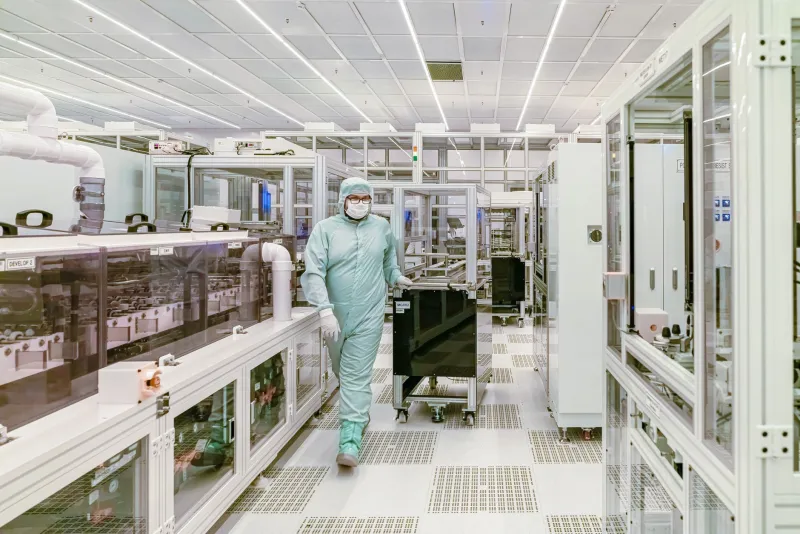
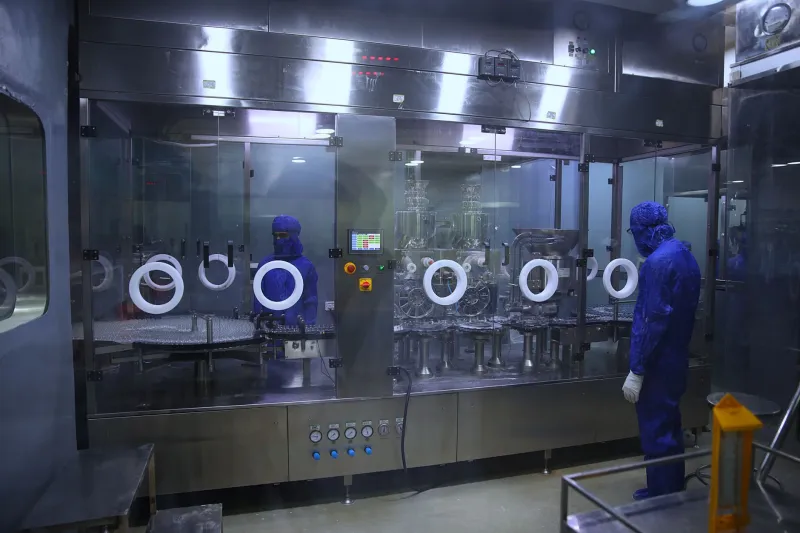
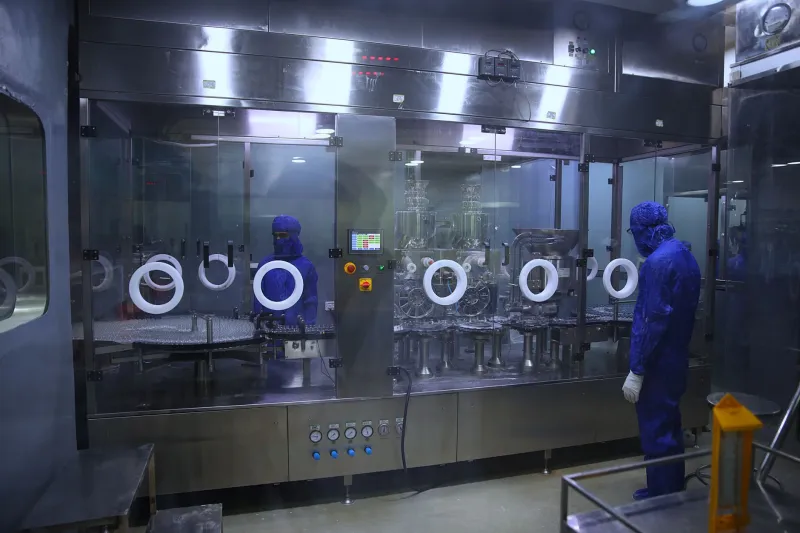
Thai manufacturers have invested heavily in the infrastructure required to meet these demands. Clean-room fabrication environments, computer-controlled polishing systems, and rigorous metrology equipment are now standard features of leading Thai optical facilities. These investments have positioned Thailand to supply components for some of the most technically demanding applications in modern medicine.
Endoscopic optics represent one of the clearest illustrations of this capability. The relay lens systems used in rigid endoscopes — the kind employed in gastrointestinal, orthopedic, and urological procedures — require exceptional transmission efficiency and precise geometric tolerances. Thai optical engineers have demonstrated the ability to manufacture these assemblies to specifications that satisfy both FDA regulatory requirements and the internal quality standards of major medical device companies.
Surgical Microscopy and the Demand for Zero Compromise
Neurosurgery, ophthalmology, and reconstructive microsurgery depend on optical systems that amplify fine anatomical structures without introducing chromatic aberration, distortion, or glare. Surgical microscopes are among the most optically complex instruments in clinical use, and their objective lenses represent some of the most demanding components in the entire medical device supply chain.
Several American and European surgical microscope manufacturers have quietly integrated Thai-sourced optical subassemblies into their production lines. The appeal is straightforward: Thai manufacturers offer the combination of high precision, consistent quality control, and competitive pricing that allows device makers to maintain their margins without sacrificing the performance that clinical users require.
For surgeons performing procedures that demand hour-long concentration under high magnification, any degradation in optical quality translates directly into fatigue and, potentially, procedural error. The fact that Thai-manufactured optics have earned a place in instruments trusted by neurosurgeons and retinal specialists speaks to a level of technical credibility that extends well beyond the consumer market.
Diagnostic Imaging: Where Optics Meets Data
Beyond direct-visualization instruments, Thai optical components have also found application in the imaging systems that underpin modern diagnostic medicine. Digital pathology scanners, fluorescence microscopy systems, and ophthalmic imaging devices all rely on high-performance optical assemblies to capture the data that clinicians and algorithms interpret.
In digital pathology, for example, whole-slide imaging platforms must scan tissue specimens at resolutions sufficient to reveal subcellular detail, often across a field of view spanning several centimeters. The objective lenses in these systems must deliver flat-field performance, high numerical aperture, and exceptional color fidelity simultaneously. Thai optical manufacturers have developed the grinding, polishing, and coating capabilities necessary to produce lens elements that meet these demanding specifications.
The growth of AI-assisted diagnostics has, if anything, intensified the demand for optical quality at the front end of the imaging chain. Machine learning models trained on high-resolution imagery are only as reliable as the optical systems that captured the training data. Substandard optics introduce systematic artifacts that can compromise model performance — a consideration that has elevated optical quality from a hardware specification to a data quality issue.
The Supply Chain Perspective
For American medical device manufacturers, the strategic calculus of sourcing optical components from Thailand involves more than unit cost. Thailand's optical manufacturing industry benefits from a stable regulatory environment, a skilled technical workforce, and geographic proximity to other precision manufacturing hubs in Southeast Asia. Lead times, logistics reliability, and the availability of engineering support all factor into procurement decisions that ultimately affect product development timelines and time-to-market.
The COVID-19 pandemic exposed the vulnerabilities of over-concentrated supply chains, prompting many medical device companies to diversify their sourcing strategies. Thailand emerged from that period with a strengthened reputation as a reliable alternative to suppliers in regions with greater geopolitical or logistical uncertainty. Several procurement executives at US-based medical device firms have described Thai optical suppliers as a stabilizing element in their component sourcing portfolios.
Patient Outcomes and the Optics Connection
It is worth pausing to consider what optical quality means in concrete clinical terms. A gastroenterologist using a high-definition endoscope with superior optical components is better positioned to identify early-stage colorectal lesions that might be missed with lower-resolution imaging. An ophthalmologist using a well-corrected slit lamp can detect subtle anterior segment pathology that influences treatment decisions. A pathologist working with a high-performance digital scanner can render diagnoses with greater confidence.
In each of these scenarios, the optical component is not a peripheral detail — it is the primary interface between the clinician's judgment and the clinical reality. When Thai manufacturers supply components that perform at the required level, they are participating, in a direct and meaningful way, in the delivery of better patient care.
A Partnership Built on Standards
The integration of Thai optical manufacturing into the American medical device supply chain has not occurred by accident. It reflects a deliberate effort by Thai manufacturers to align their processes with international quality management standards, including ISO 13485, which governs quality management systems for medical devices. Achieving and maintaining that certification requires sustained organizational commitment and rigorous documentation practices — prerequisites that distinguish serious medical-grade suppliers from opportunistic ones.
For US medical device companies evaluating their supply chains, the depth of Thailand's optical manufacturing capability represents an underappreciated resource. The country's engineers have spent decades building expertise in precision fabrication, and that expertise is now being applied to some of the most consequential instruments in modern healthcare.
The lens through which American medicine sees the world is, more often than most people realize, a Thai-made one. And by every measurable standard, it is performing precisely as intended.